
في هذا المقال
US–Saudi Arabia: Nuclear Agreement Conditional on Normalization
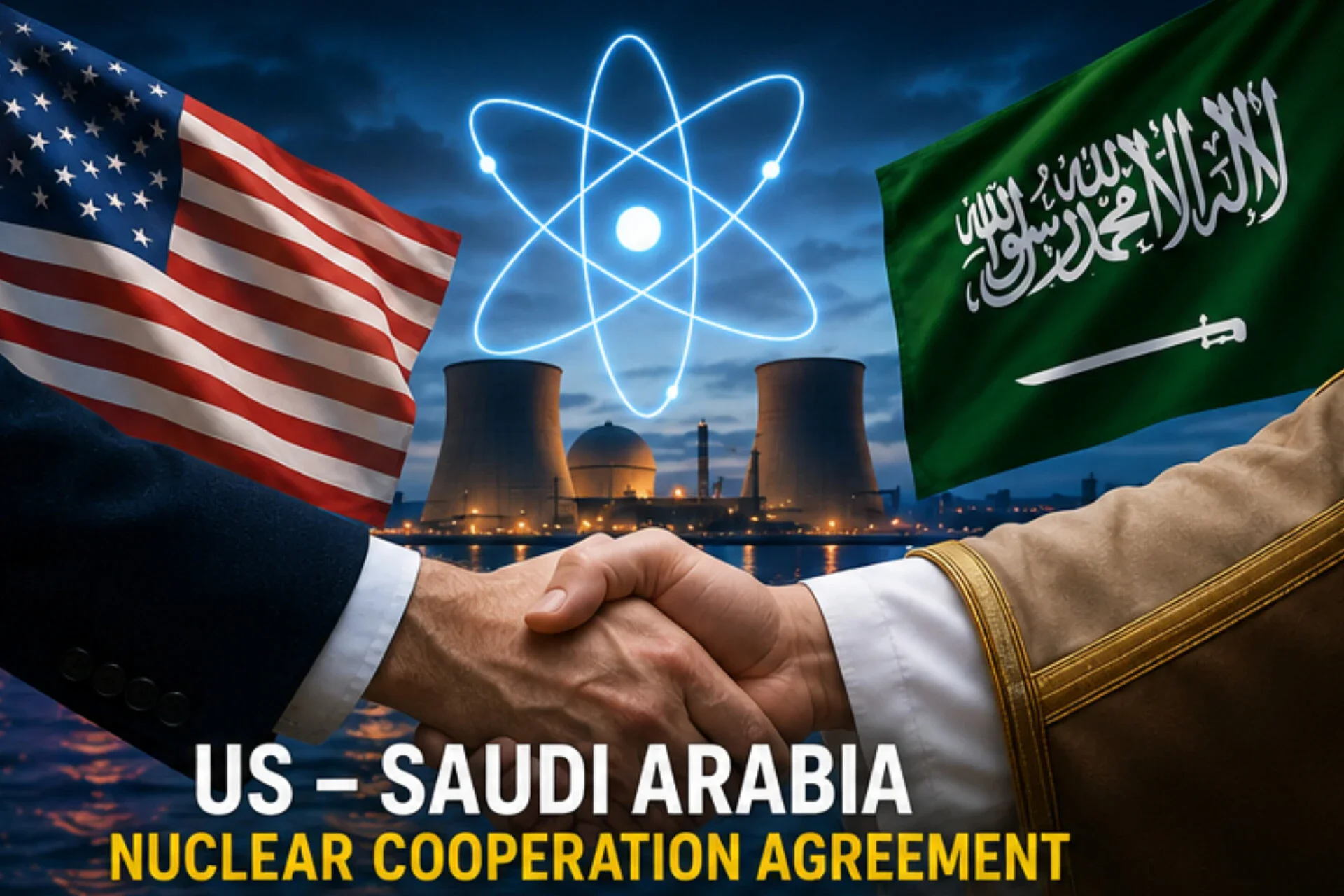
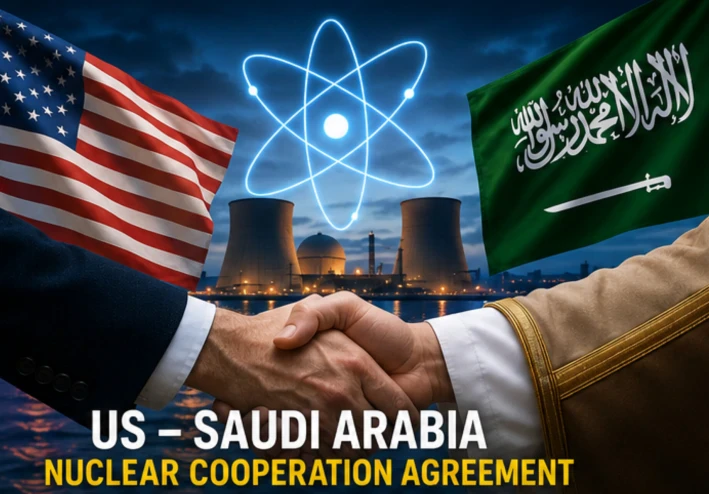
The United States announced on Wednesday that it had reached a historic agreement with Saudi Arabia on civilian nuclear cooperation. U.S. Secretary of Energy Chris Wright signed the agreement with Saudi Minister of Energy Prince Abdulaziz bin Salman, along with a separate agreement covering safeguards.
According to a statement from the U.S. Department of Energy, “These two agreements together establish the legal foundation for a decades-long partnership worth billions of dollars and advance several key economic and strategic priorities, including nuclear nonproliferation.”
The agreements are based on Section 123 Agreements, which provide the legal framework governing civilian nuclear cooperation between the United States and other countries. These agreements regulate the transfer of nuclear technology, equipment, and services for peaceful purposes.
Although the specific details of the nuclear agreement have not been disclosed, previous media reports suggested that Saudi Arabia may be permitted—following a joint feasibility study with the United States—to enrich uranium on its own territory to produce nuclear fuel at an enrichment facility to be built by the United States.
The project could be worth billions of dollars to the United States, as American companies may participate in constructing the uranium enrichment facility.
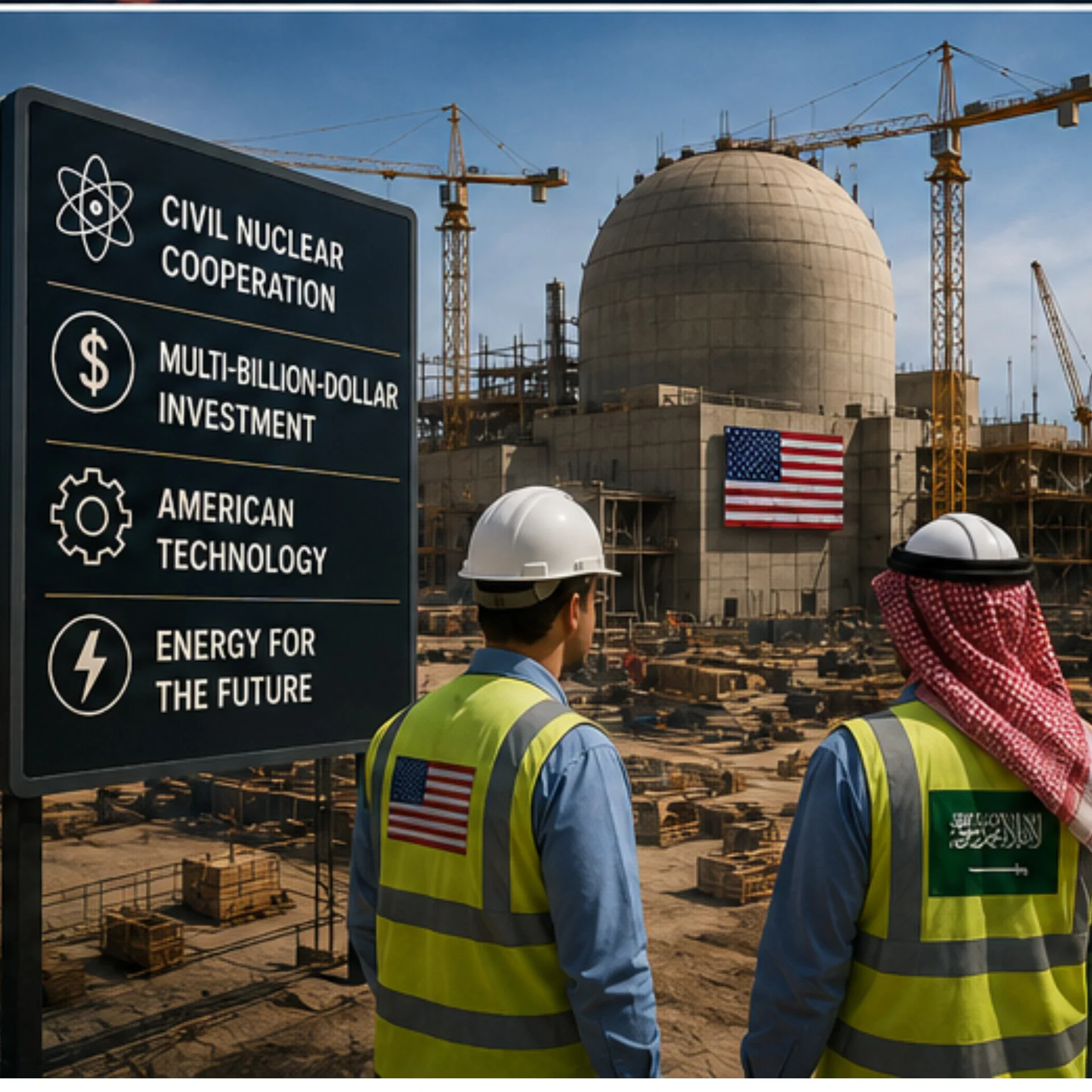
Meanwhile, CNN reported that the agreement represents a significant milestone. It is expected to remain in force for 30 years and includes provisions for U.S. companies to provide the technology and expertise needed to support the development of Saudi Arabia's civilian nuclear program.
According to the report, before Saudi Arabia begins any uranium enrichment activities, a joint U.S.–Saudi team will assess the necessity and commercial viability of such operations. The United States will also construct the enrichment facility while not transferring the enrichment technology to Saudi Arabia.
The agreement also includes restrictions on inspections that may be conducted on the Saudi nuclear program, along with bilateral safeguard arrangements involving the International Atomic Energy Agency (IAEA), which will be required to approve its provisions.
Trump Introduces a New Condition for Implementation
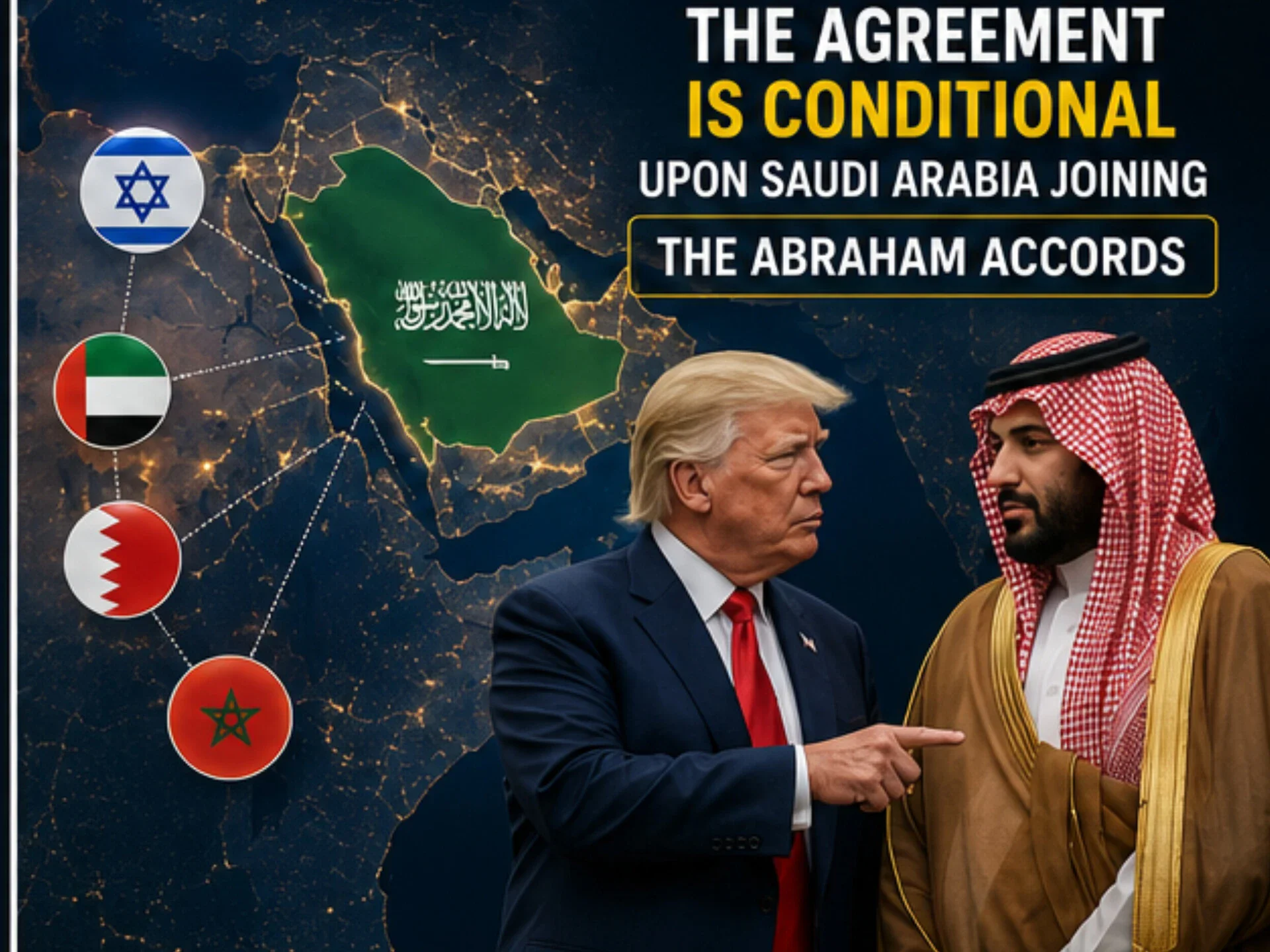
On Thursday, U.S. President Donald Trump announced a new condition for moving forward with the implementation of the nuclear agreement, one day after it was officially signed. Trump stated that Saudi Arabia must join the Abraham Accords.
In a post on social media, Trump wrote that the agreement "will receive approval," but added that it "remains entirely contingent upon Saudi Arabia joining the Abraham Accords, which are widely respected and have been tremendously successful."
Saudi Arabia has previously expressed reservations about joining the Abraham Accords, the initiative launched during Trump's first term and later expanded during his second term to promote diplomatic relations between Israel and countries across the region.
تابع جديد said boudjadi
اختر إشعارات الموقع أو البريد أو الاثنين. الزائر يقدر يشترك ببريده دون تسجيل حساب.
الإبلاغ عن المقال
لو لاحظت مشكلة في المحتوى، أرسلها لفريق المراجعة. لن تظهر بياناتك لكاتب المقال أو للقراء.
تعذّر إرسال البلاغ الآن. حاول مرة أخرى لاحقًا.
سجّل الدخول لإرسال بلاغ






النقاش
التعليقات (0)
فكرة تضيفها، أو سؤال يفتح حوارًا.
الرجاء تسجيل الدخول لتتمكن من التعليق